OSTERIA GILBERTO
Italian osteria
Location: Chicago, Il. United States
Year: 2026
Scope: Interior Design
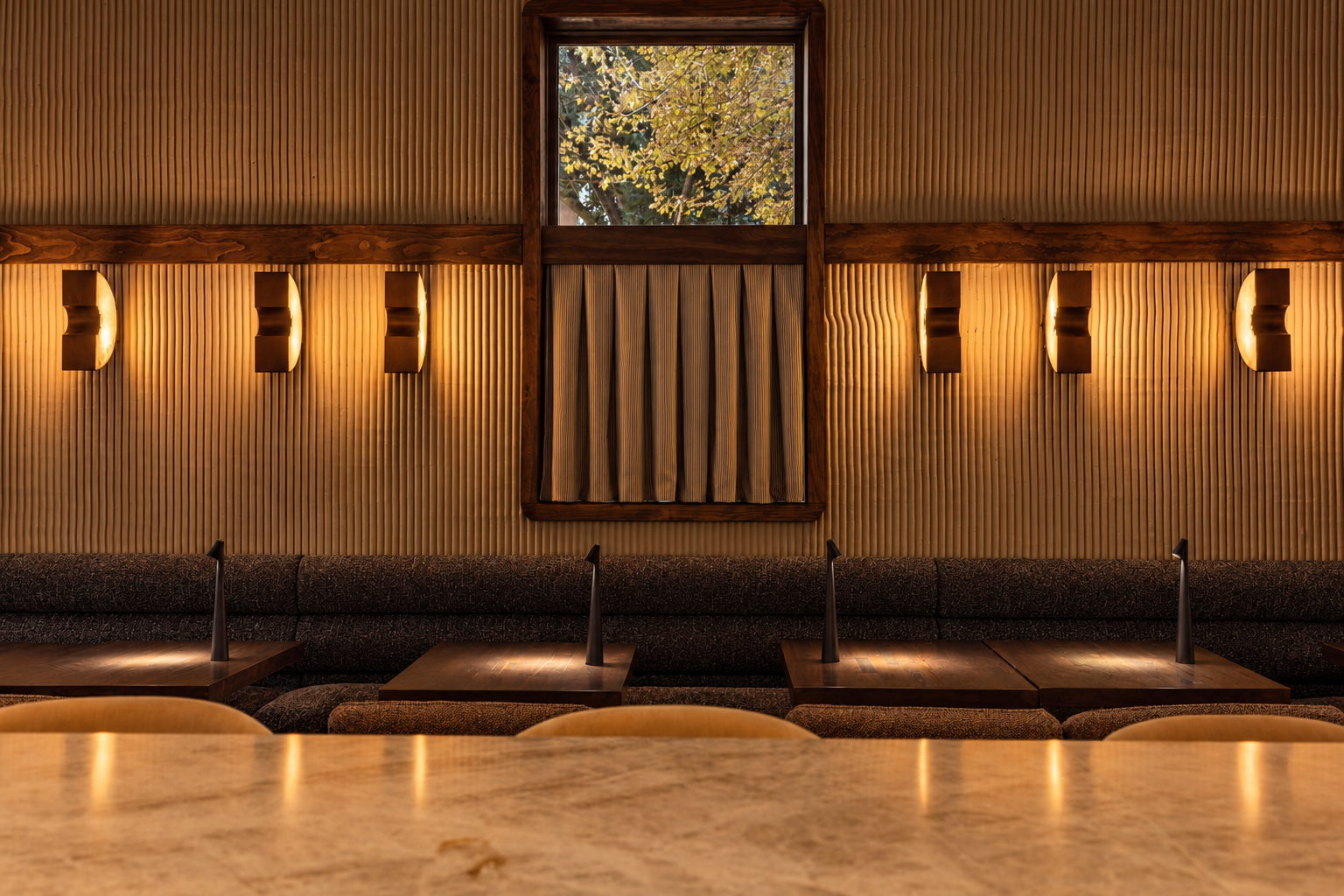
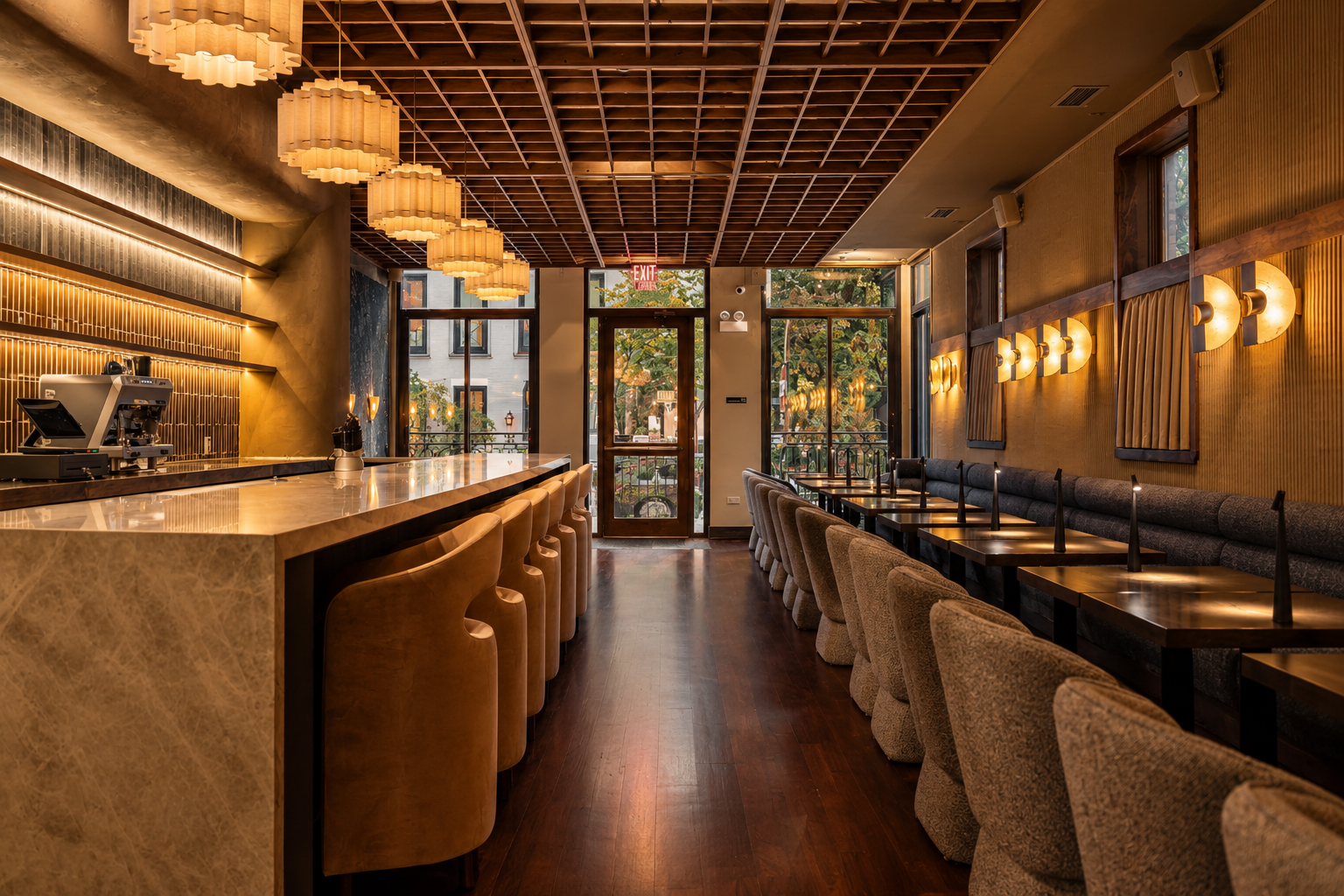
Osteria Gilberto draws from the warmth and character of the traditional Italian osteria, reinterpreting its familiar atmosphere through a contemporary architectural language. Inspired by the earthy character of Rome, Tuscany, and Liguria, the design does not attempt to recreate Italy literally. Instead, it translates its essence through materiality, proportion, geometry, and light—allowing Italian character to be felt rather than simply seen.
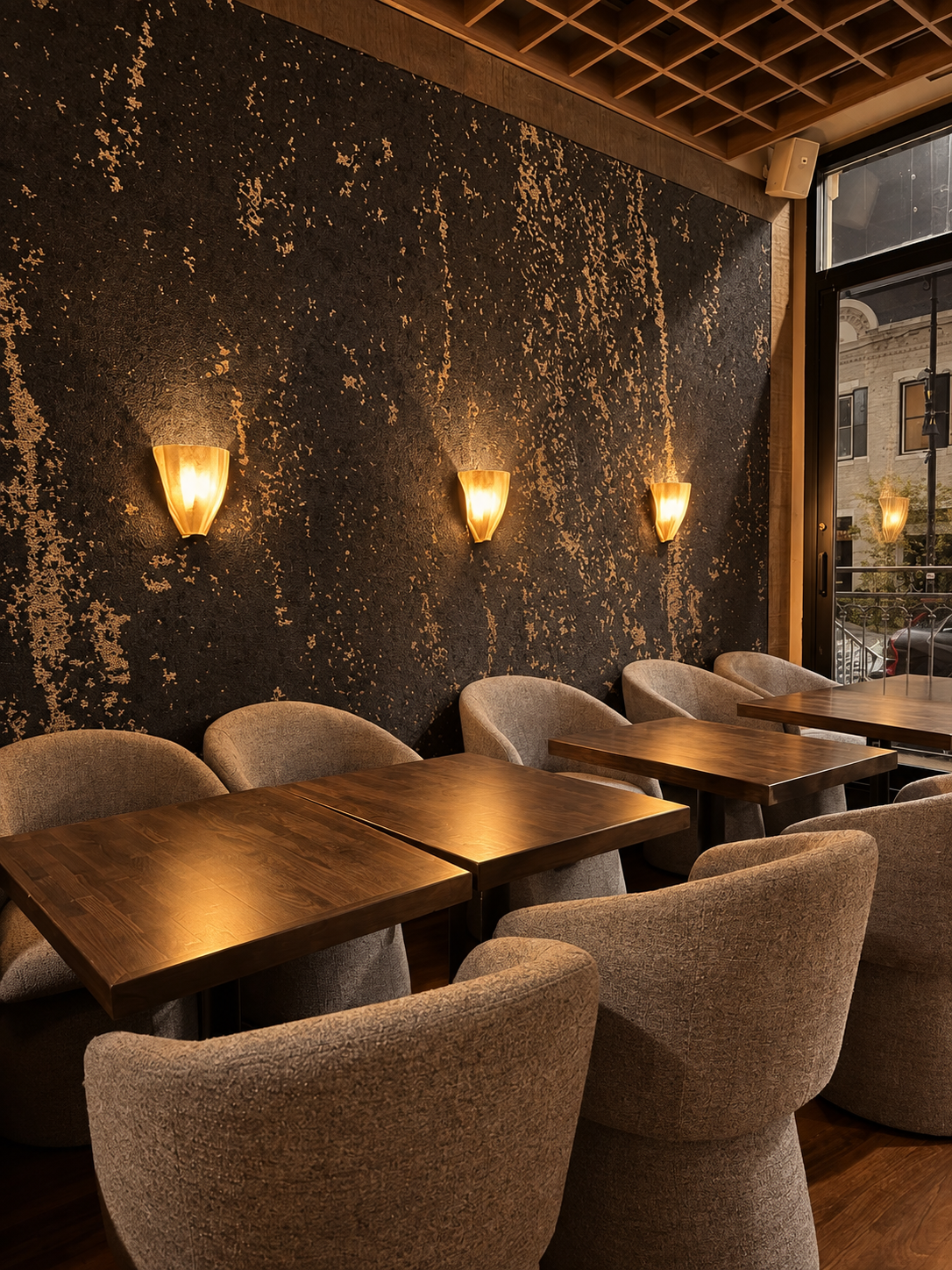
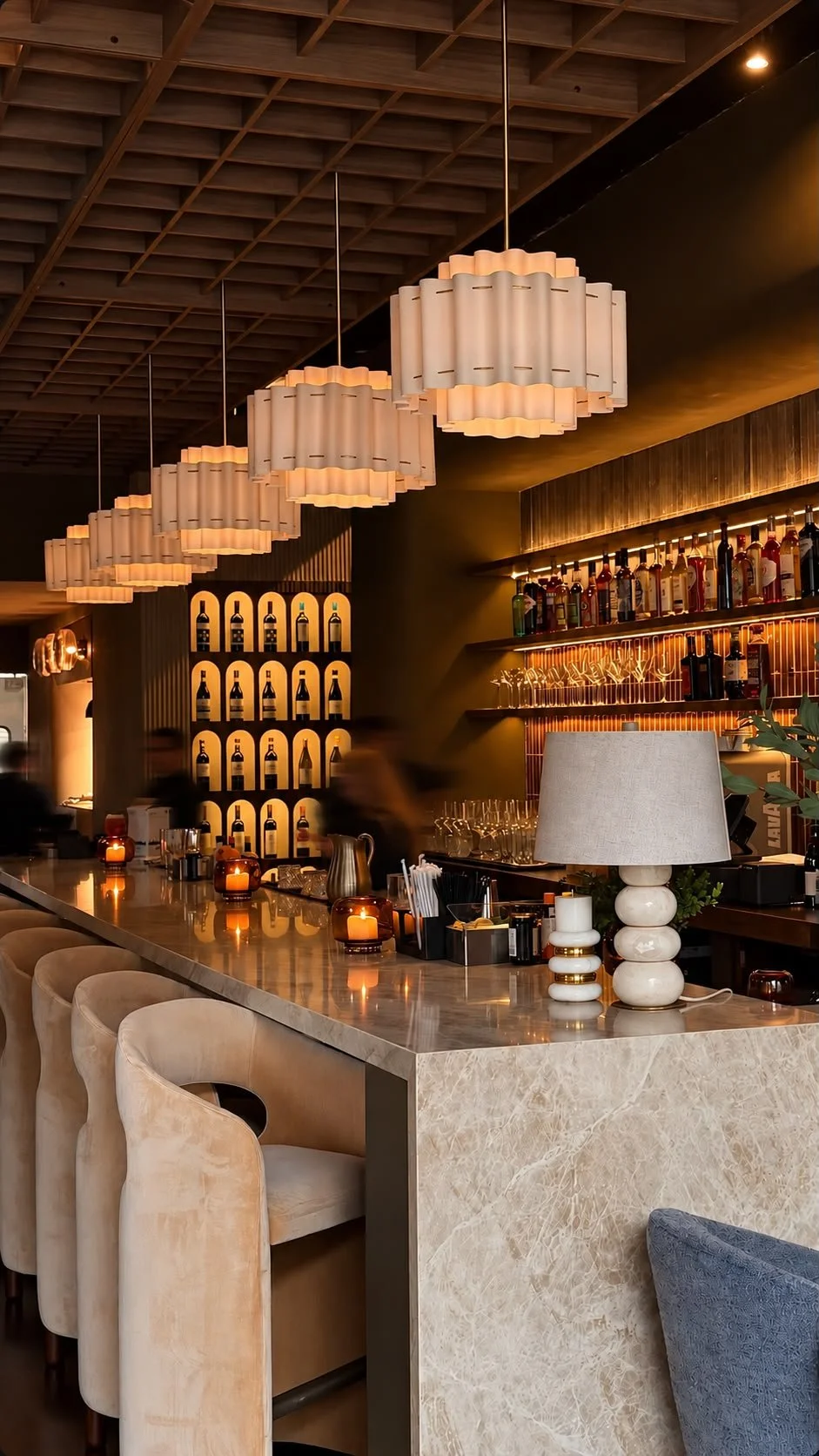
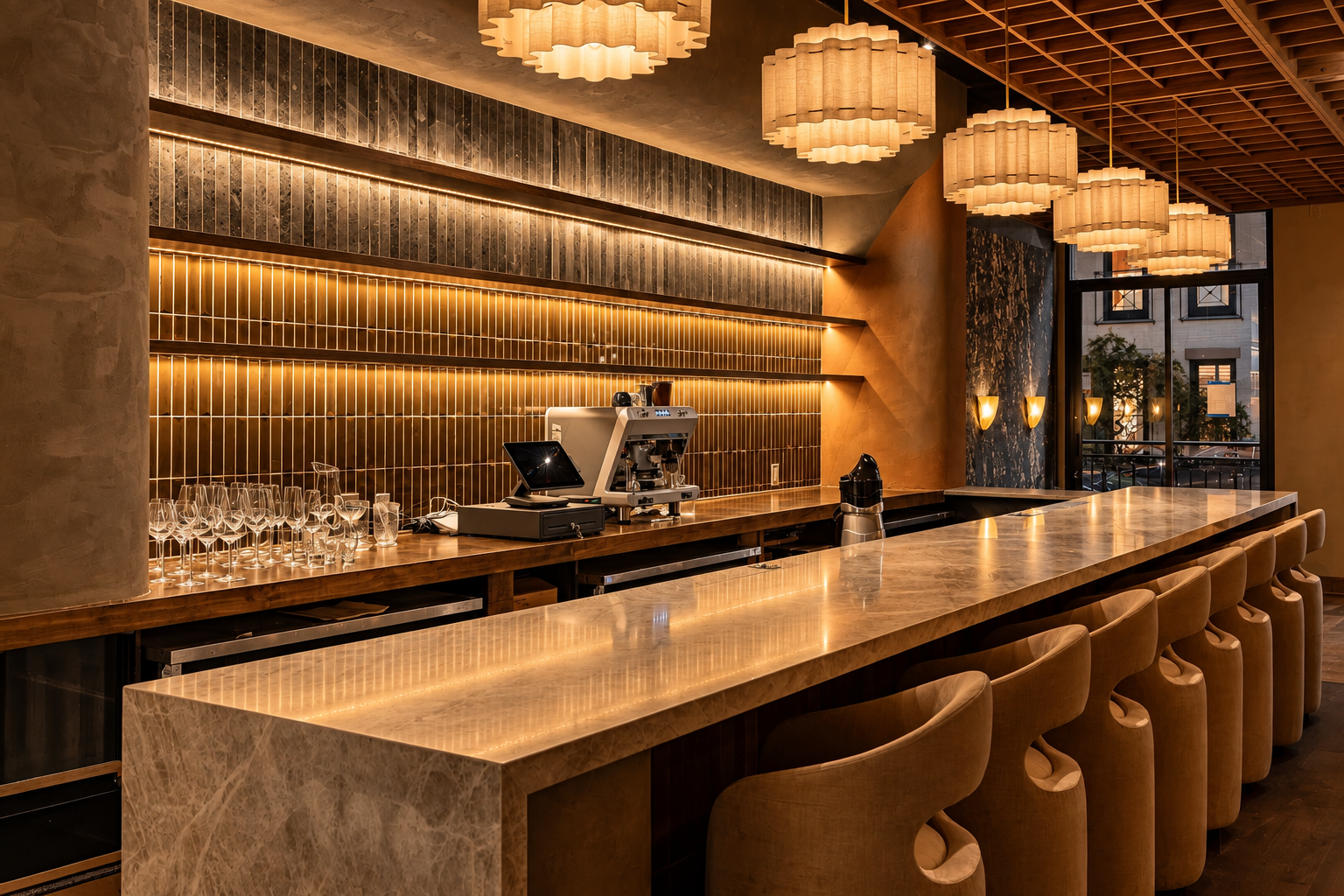
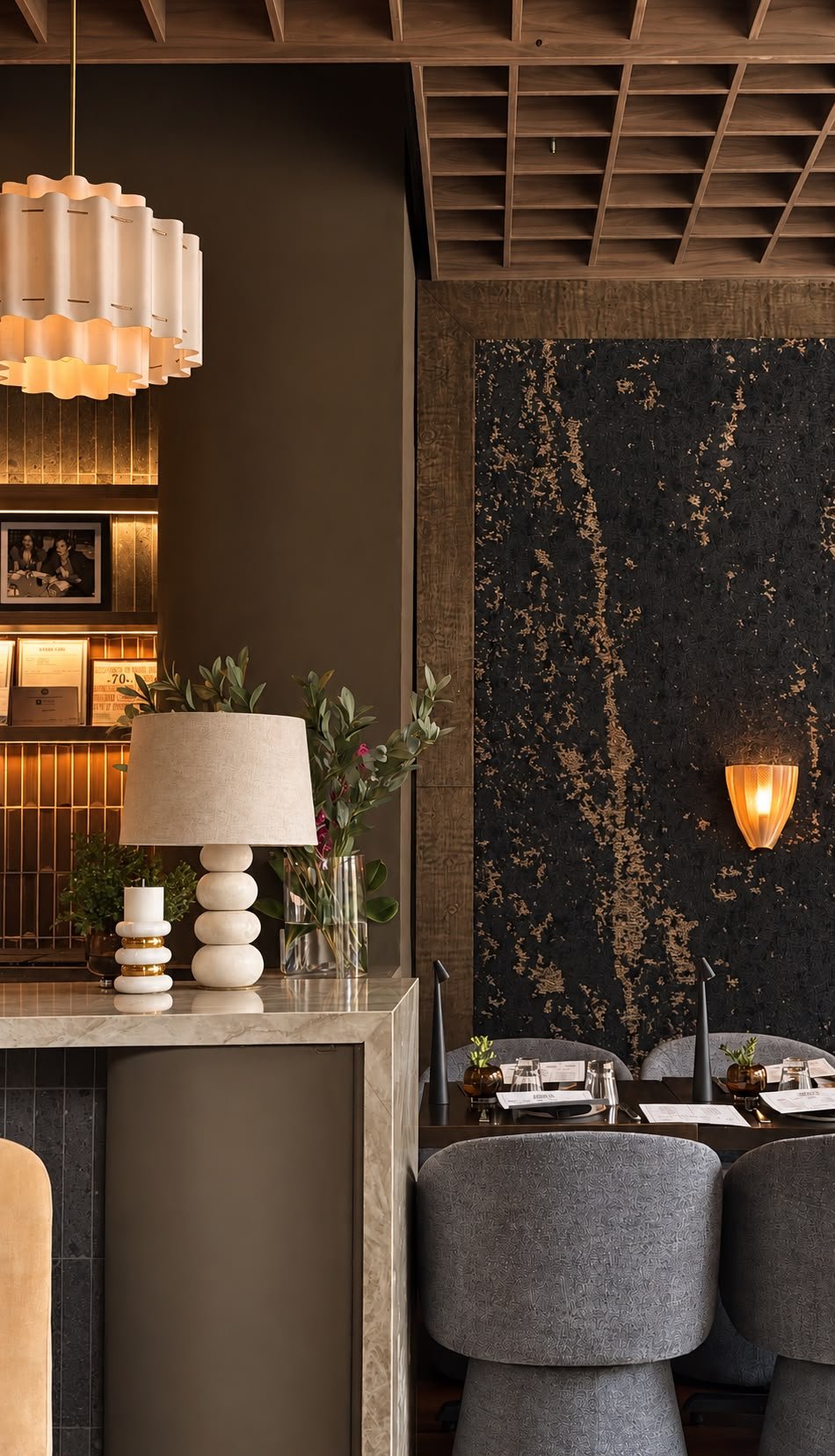
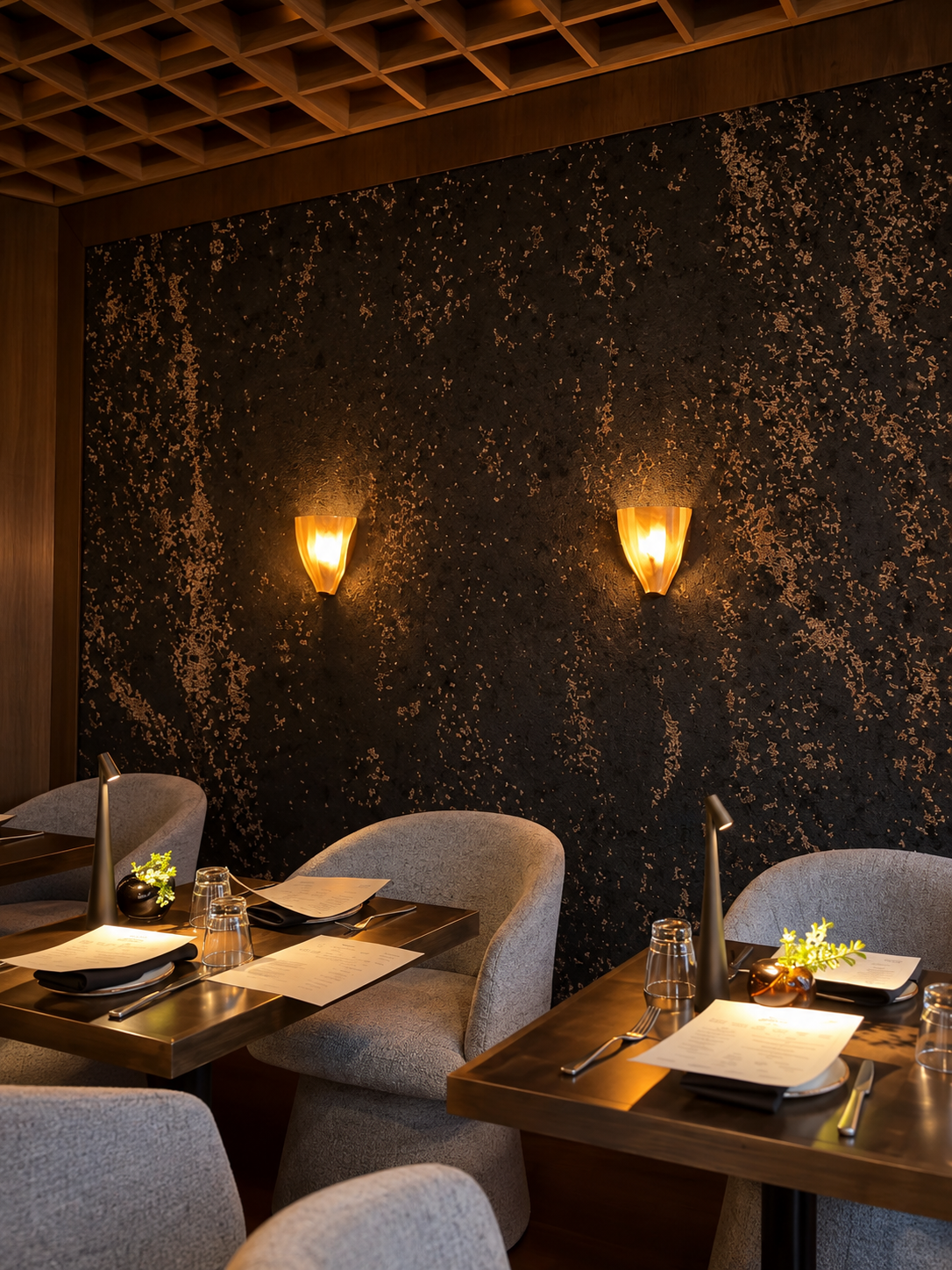
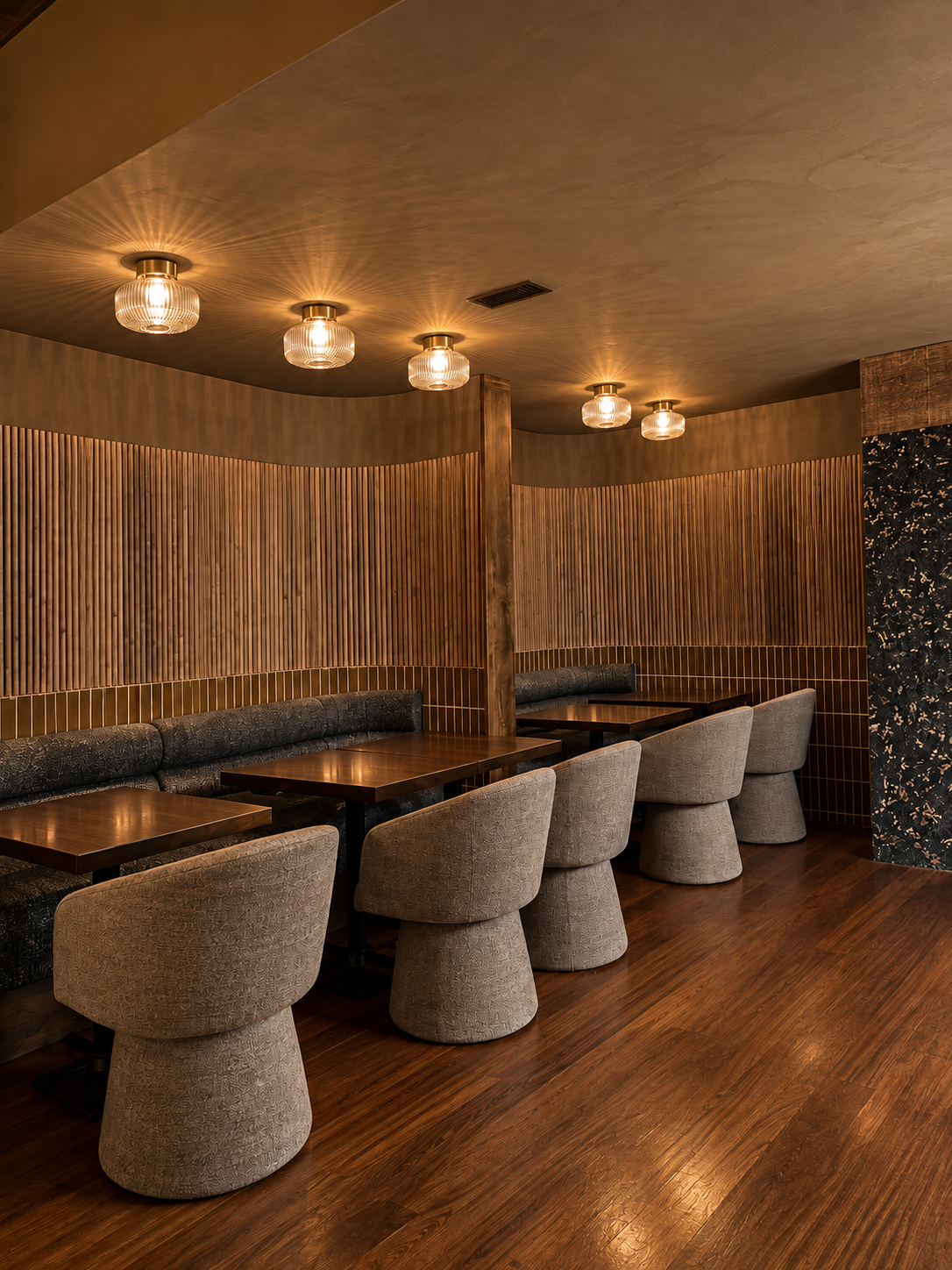
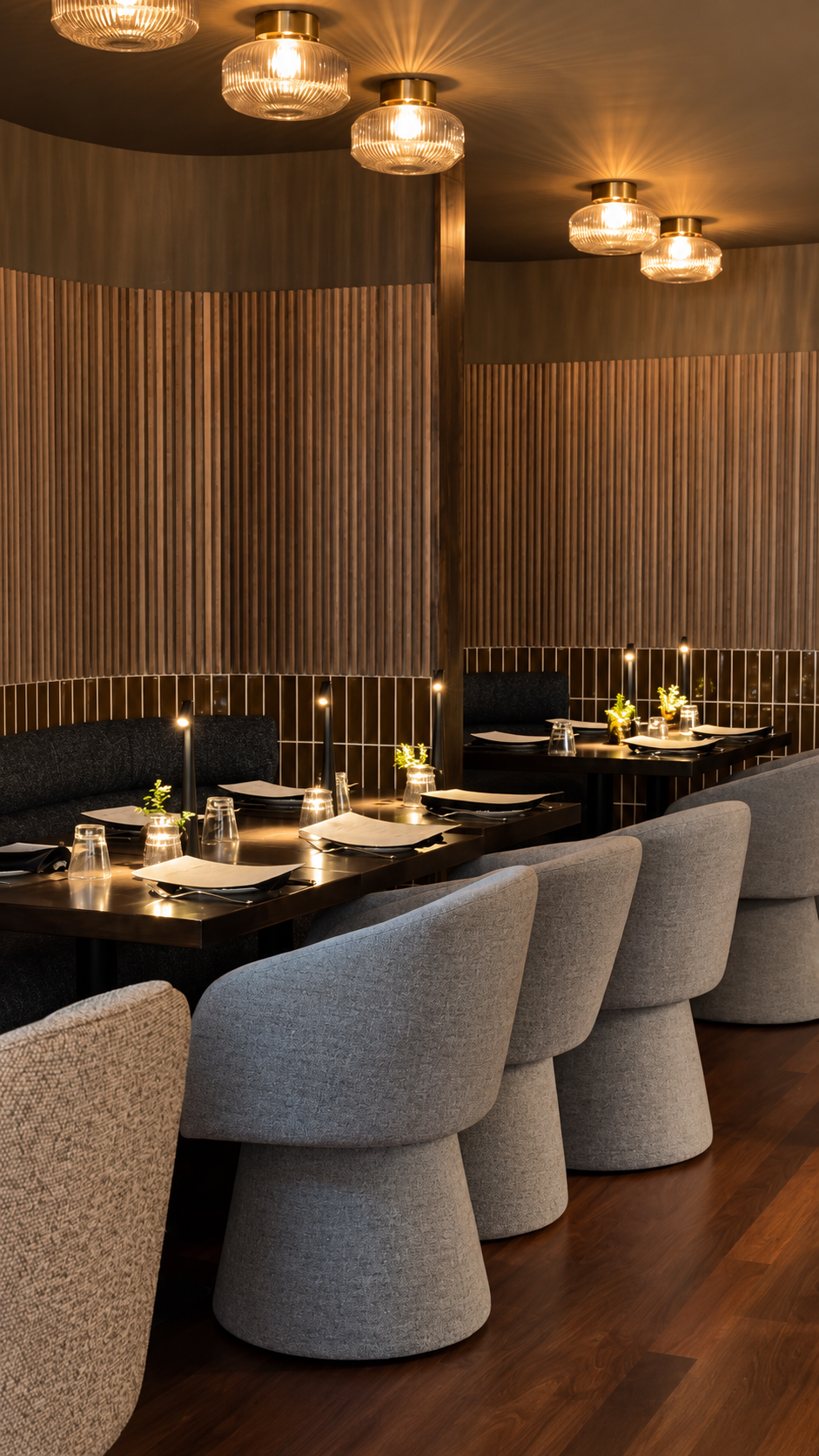
The space is conceived almost as a memory of Italy reinterpreted through a contemporary lens. Warm wood, tactile surfaces, rich fabrics, and muted earthy tones establish an intimate and grounded palette, while a strong geometric language gives structure and rhythm to the interior. Grids and repeated lines extend across the ceiling, furniture, and architectural elements, creating continuity throughout the restaurant and subtly defining the different moments of the dining experience.
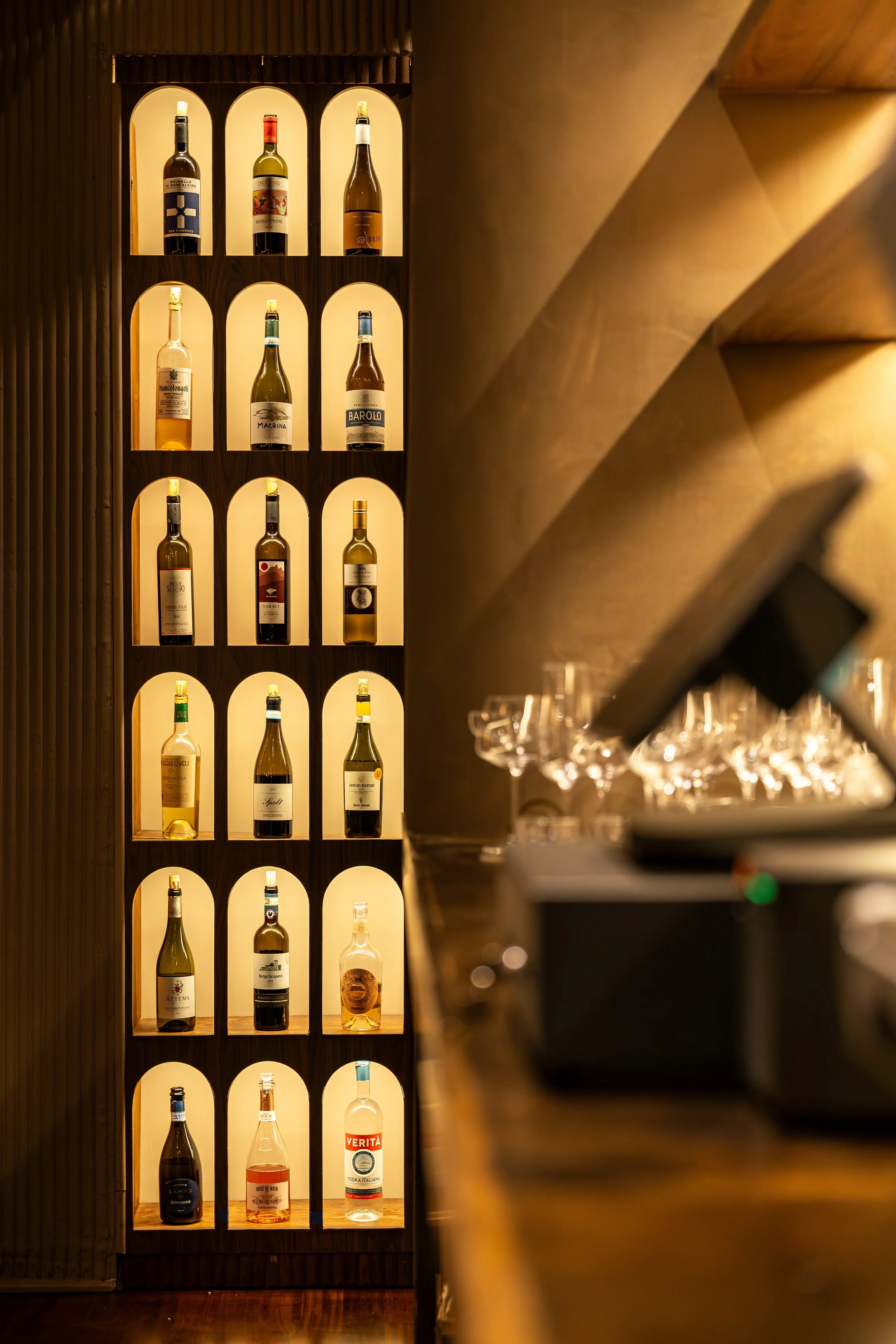
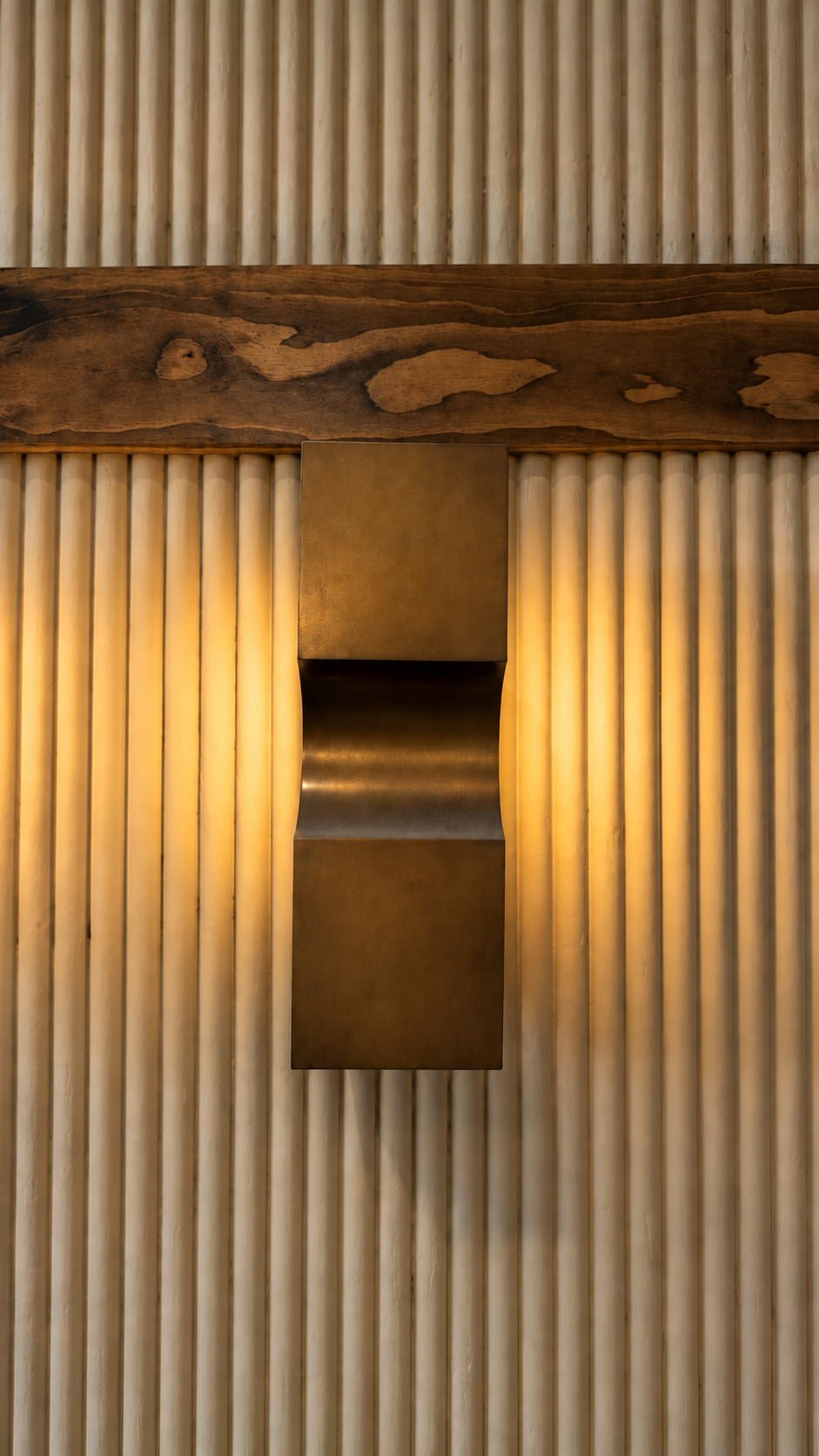
Materiality brings depth to this more structured composition. Rather than relying on decorative objects to communicate the concept, richness emerges through the relationship between materials—the warmth and permanence of timber, the softness of upholstered surfaces, the texture of handcrafted finishes, and the contrast between polished and imperfect elements. Each material contributes to the atmosphere while remaining part of a cohesive architectural language.
Light completes the experience. Warm, diffused illumination reveals the depth and texture of the materials, while sculptural fixtures create moments of focus and cast patterns of light and shadow across the architecture. As the evening progresses, these layers transform the restaurant into an increasingly intimate environment.
The result is a contemporary interpretation of the Italian osteria that feels familiar without becoming nostalgic, and expressive without becoming thematic—a space where Italian character emerges not through decoration, but through the architecture itself.